
How to Balance Efficiency and Stability of Stationary Aggregate Plants with a Capacity of 300 to 500 Tons per Hour
- Aimix maquina

- 4 ene
- 4 Min. de lectura
For aggregate producers, stationary processing plants with capacities between 300 and 500 tons per hour represent a significant and strategic investment. This scale is often the backbone of a profitable, mid-to-large-sized operation, serving major infrastructure projects, ready-mix concrete facilities, and asphalt plants. However, achieving long-term success with such a plant is not simply about reaching peak output. The true challenge lies in mastering the delicate and ongoing balance between two critical operational pillars: efficiency and stability. An efficient plant produces high-quality aggregate at the lowest possible cost per ton, while a stable plant runs reliably for extended periods with minimal unplanned downtime. Pursuing one at the expense of the other leads to failure—extreme efficiency measures can compromise machine health, while overbuilding for stability can erode profit margins. This article explores practical strategies to harmonize these two goals, ensuring your aggregate crusher plant(planta de agregados) delivers both maximum throughput and unwavering reliability.

Foundational Design: Building a Stable and Efficient Base
The pursuit of balance begins long before the first switch is flipped. The initial design and engineering of the stone crusher plant(planta trituradora de piedra) set the trajectory for its entire operational life.
Strategic Plant Layout and Material Flow
A chaotic flow creates bottlenecks, excessive wear, and energy waste. A logical, linear layout is paramount.
Minimize Material Handling: Design transfer points with proper angles and heights to reduce drop impact, which accelerates belt wear and creates dust. Utilize radial stackers and telescoping conveyors where possible to optimize stockpile management.
Ensure Accessibility: All critical components—crushers, screens, motors, and bearings—must be easily accessible for inspection, maintenance, and part replacement. This reduces downtime during scheduled service.
Plan for Scalping: Installing a robust grizzly or scalping screen before the primary crusher removes fines and undersized material. This prevents the primary gravel crusher from processing material it doesn't need to, dramatically improving efficiency and reducing chamber wear.
Right-Sizing and Matching Components
Every machine in the circuit must be correctly matched to the ones before and after it.
Avoid the "Weakest Link" Scenario: The capacity of feeders, conveyors, and screens must exceed the maximum output of the crushers they serve. A 450-ton-per-hour cone crusher is useless if the conveyor beneath it can only handle 350 tons, creating a constant bottleneck and potential spillage.
Crusher Selection Logic: Choose crusher types based on the material's abrasiveness and the desired product shape. For hard, abrasive rock, a jaw crusher paired with cone crushers offers stability and wear-life. For softer limestone, an impact crusher may offer superior shaping efficiency. The goal is to select machines that will perform their specific duty with the least wear and energy consumption.
Operational Strategies for Sustained Performance
Once the plant is built, daily operational discipline becomes the primary lever for balancing efficiency and stability.
Precision Feeding and Load Management
This is the single most impactful operational control.
Consistent, Controlled Feed: Use apron or vibrating feeders to provide a steady, regulated flow of material into the primary crusher. Flood-feeding or starving the crusher causes erratic power draw, poor product gradation, and accelerated mechanical stress.
Utilize Automation Systems: Modern automation and control systems are indispensable. They monitor amp draws, crusher pressure, and feed rates, automatically adjusting feeders to keep each crusher operating at its optimal, non-choked load. This protects the machinery while ensuring peak tonnage.
Proactive and Predictive Maintenance
Stability cannot exist without a rigorous maintenance culture. This is not the enemy of efficiency; it is its prerequisite.
Scheduled Maintenance Adherence: Strictly follow the manufacturer's lubrication and service intervals. Overlooking a grease point can lead to a $50,000 bearing failure that shuts down the line for days.
Wear Part Monitoring and Management: Implement a program to regularly measure wear on liners, mantles, blow bars, and screen media. Change them on a schedule based on wear, not failure. Running parts to destruction risks catastrophic damage to the crusher body and creates inconsistent, out-of-spec product.
Embrace Predictive Technologies: Use vibration analysis on crusher and screen bearings, and conduct regular oil analysis. These tools can predict failures weeks in advance, allowing for planned repairs during a shift change instead of an unplanned stoppage at peak production.
Optimization of the Crushing Circuit
Fine-tuning the entire circuit is where significant gains in both efficiency and product quality are realized.
Screening Efficiency is Crusher Efficiency
Screens are the brains of the operation; crushers are the brawn.
Closed-Circuit Configuration: Routing crusher discharge back through a screen to separate finished product from material needing further crushing is essential. This prevents the secondary gravel crusher(trituradora de piedra para grava) from re-processing material that is already to size (a major efficiency killer known as "circulating load").
Proper Screen Selection and Maintenance: Ensure screen decks have the correct aperture size and are tensioned properly. Worn or blinded screen panels allow oversized material into the finished product pile or cause good material to be unnecessarily re-crushed.
Data-Driven Adjustments
Move from operating by instinct to operating by information.
Track Key Performance Indicators (KPIs): Monitor and record metrics such as tons per hour, power consumption per ton, wear part life (tons per set), and product yield percentages. Trends in this data will show where efficiency is slipping.
Regular Crusher Setting Checks: The CSS (Closed Side Setting) on jaw and cone crushers directly determines product size. Check and adjust these settings regularly as wear occurs to maintain consistent gradation. A properly set crusher is a stable and efficient crusher.
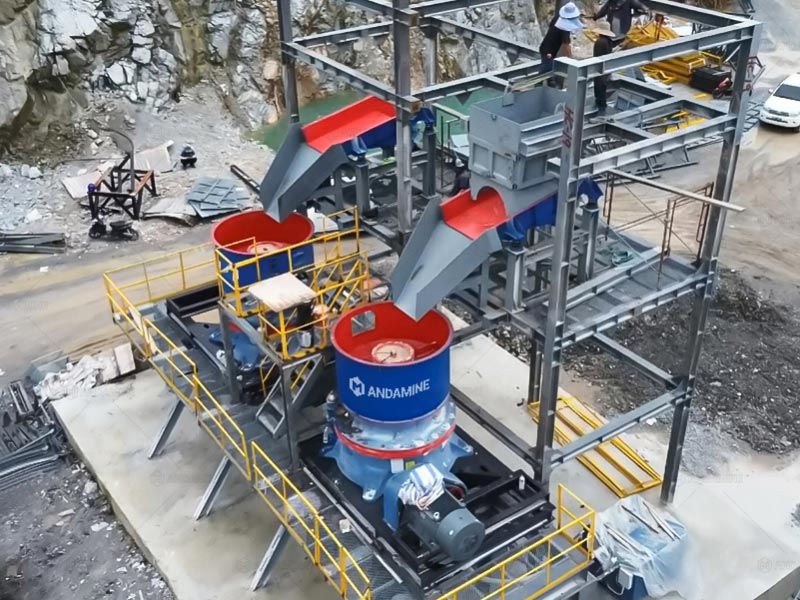
Conclusion: A Symbiotic Relationship
Balancing efficiency and stability in a 300-500 TPH stationary aggregate crusher plant is not a one-time task but a continuous cycle of intelligent design, disciplined operation, and data-informed optimization. Efficiency gained through careful load management and circuit tuning reduces mechanical stress, thereby enhancing stability. Conversely, the stability provided by proactive maintenance and robust design creates the consistent runtime necessary to achieve high efficiency.
The most profitable plants are those where the pursuit of lower cost per ton never compromises equipment integrity, and where investments in reliability are understood to be the foundation of long-term efficiency. By viewing these two pillars as symbiotic rather than opposed, operators can ensure their stone crusher plant is not just a cost center, but a reliable, high-yielding engine of growth for years to come.


Comentarios