
Besides the Price of Asphalt Pavers, What Other Costs Do Latin American Contractors Need to Consider?

Navigating road paving operations across Latin America involves managing complex economic, geographical, and operational variables that extend far beyond initial machinery procurement. While project directors and financial planners often spend considerable time analyzing the baseline asphalt paver price(pavimentadora de asfalto precio), focusing solely on equipment purchasing tag numbers can obscure the substantial ongoing expenses required to run a profitable enterprise. Terrain challenges across mountain corridors, fluctuating import logistics, micro-climate weather patterns, and specific bitumen formula variations mean that operational realities in Latin America demand a holistic financial perspective. Managing a road construction fleet successfully requires evaluating total cost of ownership alongside local supply dynamics.
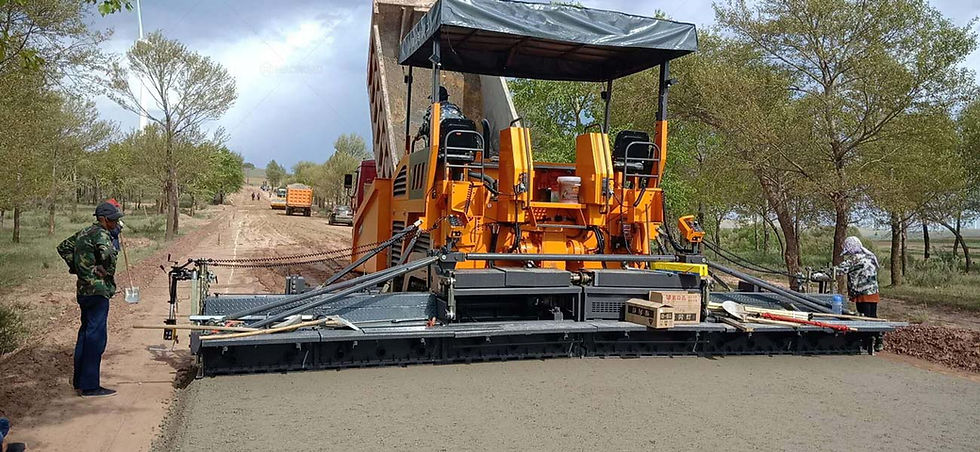
Upstream Material Supply and Batching Infrastructure Costs
Equipment operating efficiency downstream is fundamentally limited by the consistency and quality of upstream material supply. A primary hidden cost center for Latin American road builders lies in setting up, maintaining, and feeding their mixing facilities.
Material Production Investments
Securing a reliable asphalt plant(planta de aglomerado) is essential for maintaining production schedules across long stretches of highway. However, managing this infrastructure involves continuous financial commitments:
Capital allocation and initial layout, where reviewing the asphalt plant price reveals only a portion of real setup costs including foundations, permits, and emission filtration units.
Fuel source supply volatility, since running an asphalt plant using diesel, heavy liquid fuels, or natural gas varies significantly by regional availability.
Distance and haulage mechanics, where long transit times between batching facilities and job sites risk thermal degradation before laydown starts.
Balancing the initial asphalt plant price against long-term fuel efficiency and local aggregate availability is vital for protecting profit margins across multi-year infrastructure grants.
Coordination Between Supply Units and Placement Fleets
When an asphalt paver price is evaluated in isolation, fleet managers often overlook the costs of idle time. If an asphalt plant experiences operational downtime or struggles to process local aggregates with high moisture content, paving teams on the highway face costly delays. Ensuring smooth coordination between mix generation and on-site distribution prevents expensive fuel waste and labor underutilization.
Geographical and Environmental Operational Expenses
Latin America presents unique environmental factors that directly impact daily machinery wear, routine maintenance budgets, and operational efficiency.
High-Altitude Mechanics and Power Loss
Road construction across mountainous regions creates unique mechanical strain. Internal combustion engines lose density-driven power at high altitudes, forcing machinery to consume more fuel to maintain required torque levels:
Engine derating reduces the effective placement rate of a standard asphalt paver, increasing total operating hours per kilometer.
Hydraulic systems experience higher working temperatures during steep gradient operations, requiring more frequent fluid and filter changes.
Fuel consumption escalates significantly when climbing steep grades while bearing heavy hopper loads.
Tropical Humidity and Maintenance Cycles
In humid tropical coastal areas, rapid ambient temperature changes cause corrosion and mechanical degradation. Moisture penetration degrades electronic sensors, screed heating elements, and hydraulic seals, accelerating component wear. When contractors factor in these environmental stressors, the true operational cost quickly surpasses the baseline asphalt paver price quoted at initial delivery.

Logistics, Import Duties, and Spare Parts Availability
Machinery reliability in Latin American markets depends heavily on supply chains for replacement parts, wear components, and specialized technician support.
Navigating Import Tariffs and Freight Friction
Importing heavy road construction machinery and replacement parts often incurs significant trade duties, customs port fees, and inland transport costs. When calculating long-term budgets, contractors must remember that replacing screed plates, augers, and conveyor chains involves international shipping fees that far exceed standard domestic list prices.
Strategic Capital Allocation Across Supply Chains
To avoid extended project downtime, regional contractors must maintain an on-site inventory of high-wear spare parts. Calculating total investment involves looking closely at both machinery acquisition expenses and material supply chain costs:
Inventory holding costs for vital spares like screed heaters, hydraulic filters, and conveyor belts.
Cross-border freight surcharges for emergency parts delivery during peak construction seasons.
Dual-asset budgeting where evaluating a competitive asphalt plant price(precio de planta de asfalto) must be paired with operational contingency funds.
When project managers balance an asphalt paver price against necessary spare parts stock and regional technical support, they safeguard their projects against catastrophic delays.
Workforce Skill Development and Operational Quality Control
Modern road construction machinery features advanced electronic grade controls, automated screed heating systems, and smart material monitoring capabilities. Leveraging these capabilities effectively requires skilled operators.
Training Overhead and Operator Proficiency
Introducing advanced equipment without dedicated operator training often leads to material segregation, poor mat smoothness, and excessive fuel usage. Investing in comprehensive training programs ensures crews understand how to match laydown speed with supply output from a nearby asphalt plant, preventing frequent machine stops that cause surface defects.
Material Waste Minimization
Poor operational technique creates expensive material waste. When crews miscalculate mat thickness or allow hot mix to cool inside the hopper due to bad scheduling, high-value bitumen mix must be discarded. Establishing strict operational protocols maximizes thermal retention and ensures uniform density across every pass.
Long-Term Fleet Valuation Strategies for Road Contractors
Achieving long-term profitability in Latin American road construction requires looking beyond immediate equipment price tags. While analyzing a competitive asphalt paver price or evaluating an overall asphalt plant price is an essential first step, ongoing success depends on proactive fleet management, thermal control, and smart logistics.
Contractors who calculate total life-cycle expenses—from fuel consumption at the asphalt plant to mountain-gradient wear on placement equipment—can build accurate bids and protect their profit margins. By viewing every machinery investment through an integrated operational lens, construction firms across Latin America can ensure high pavement quality, optimize fleet uptime, and sustain growth across challenging regional markets.
Comentarios